


The global body armor industry experienced one of its most eventful years in 2025. Rising defense budgets, European rearmament programs, and sustained demand for ballistic materials led to significant divergence in performance among companies connected to the body armor supply chain.
This article provides a retrospective review of 2025 stock performance for major companies involved in body armor materials, manufacturing, and defense platforms. It also outlines industry trends and risks shaping the sector heading into 2026.
2025 in Review: How the Body Armor Industry Performed
Performance in 2025 clearly reflected the degree of exposure companies had to:
Direct defense procurement
Aramid fiber and ballistic material production
Armored vehicle and land systems programs
Companies with concentrated exposure to these areas generally outperformed more diversified industrial peers.
Company Performance Overview (2025)
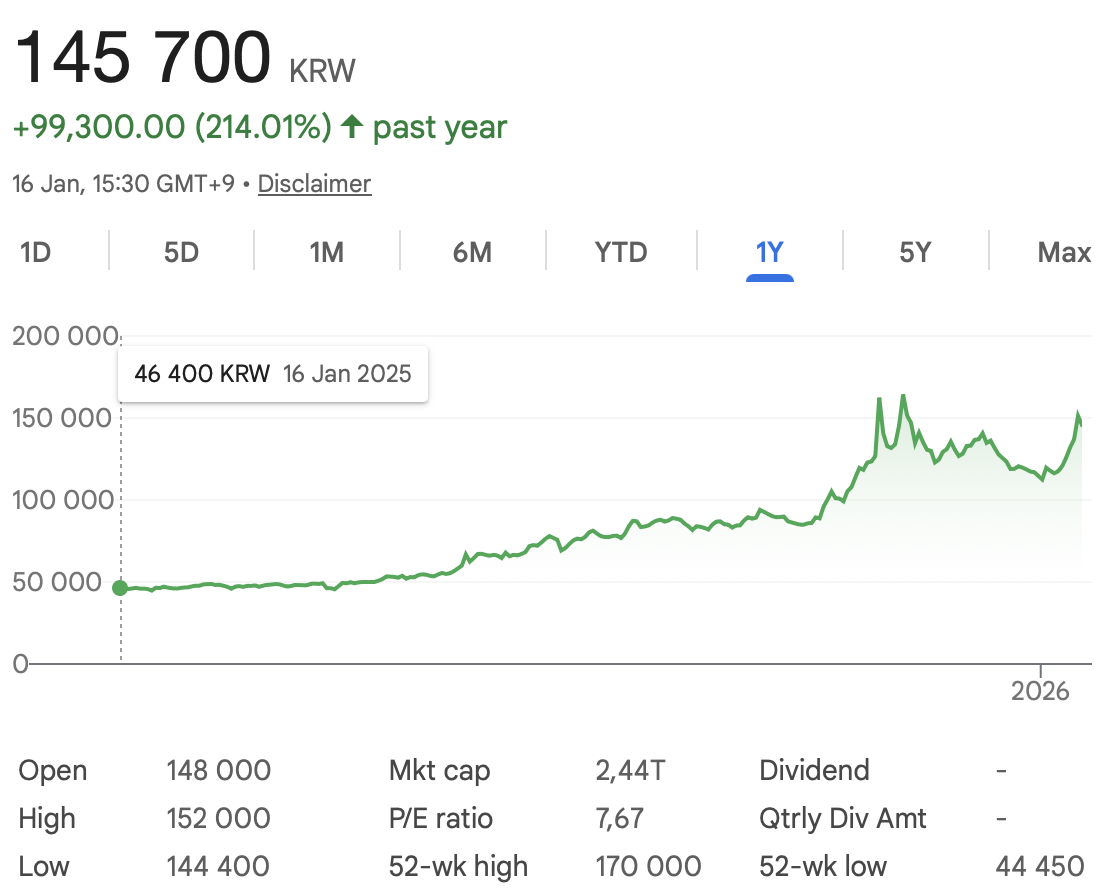
Hyosung Corporation (KRX: 004800)
2025 performance: +214.01 percent
Hyosung recorded the strongest share price increase among companies reviewed. The performance coincided with expanding global demand for aramid fibers and capacity increases for its TANSOME® product line, widely used in ballistic and industrial protection applications.
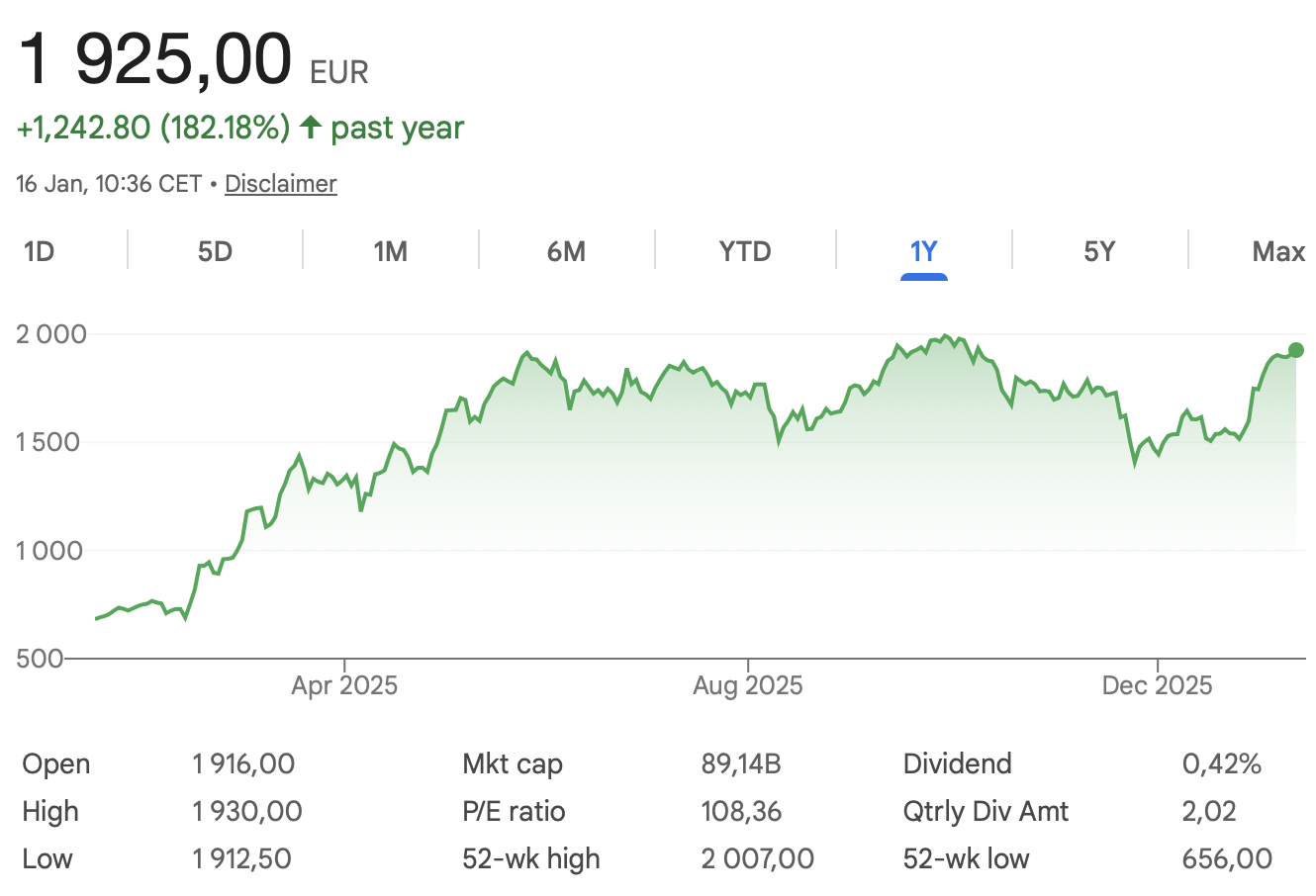
Rheinmetall AG (FRA: RHM)
2025 performance: +182.18 percent
Rheinmetall’s performance reflected intensified European defense spending. Ammunition production, armored vehicle programs, and long-term NATO procurement commitments continued to elevate the company’s strategic importance within the European defense ecosystem.
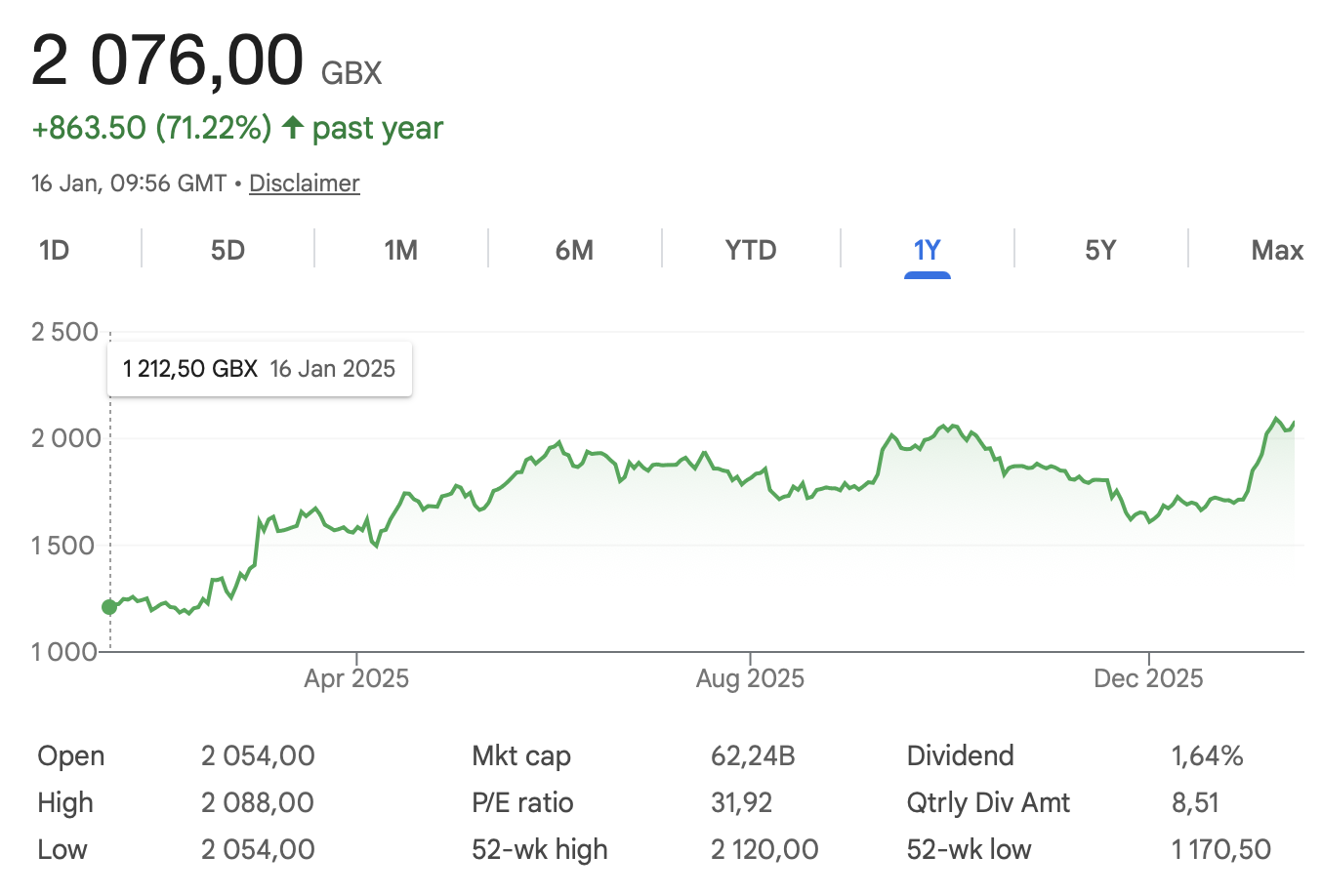
BAE Systems (LSE: BA)
2025 performance: +71.22 percent
BAE Systems benefited from sustained demand for land systems, armored platforms, and troop protection technologies. Its expanding order backlog provided visibility into multi-year defense programs.
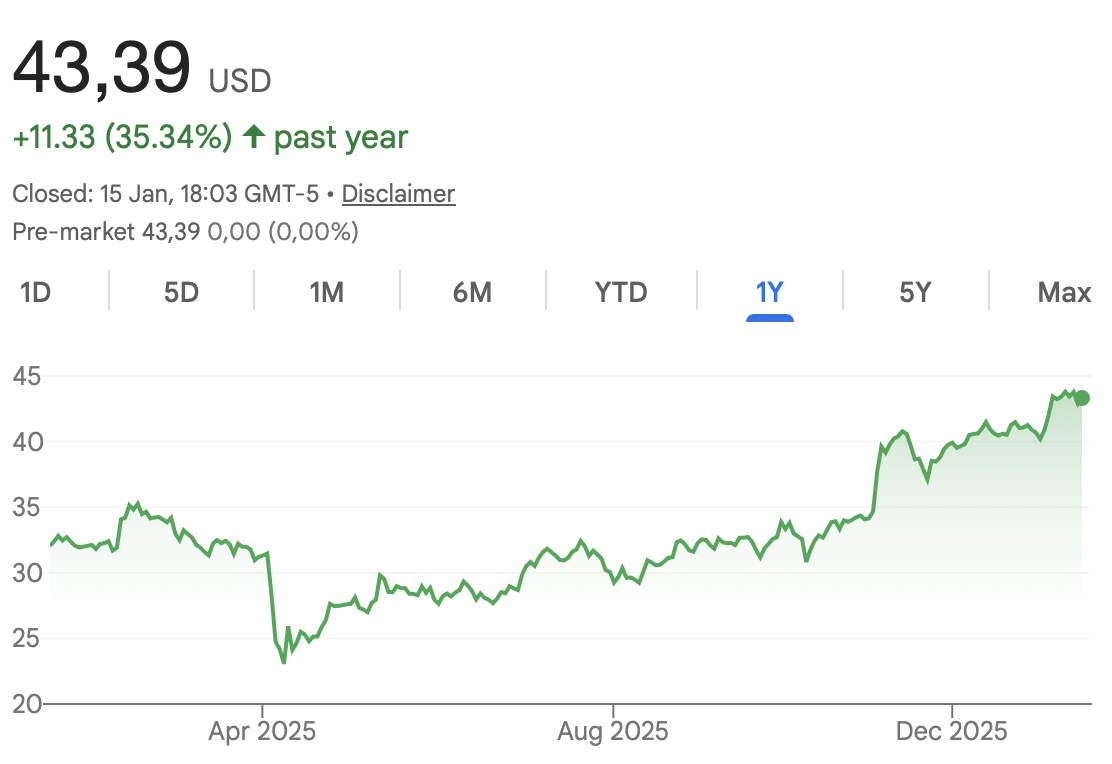
DuPont de Nemours (NYSE: DD)
2025 performance: +35.34 percent
DuPont’s performance was supported by continued relevance of Kevlar® and next-generation aramid materials in ballistic protection, alongside strength in other advanced materials businesses.
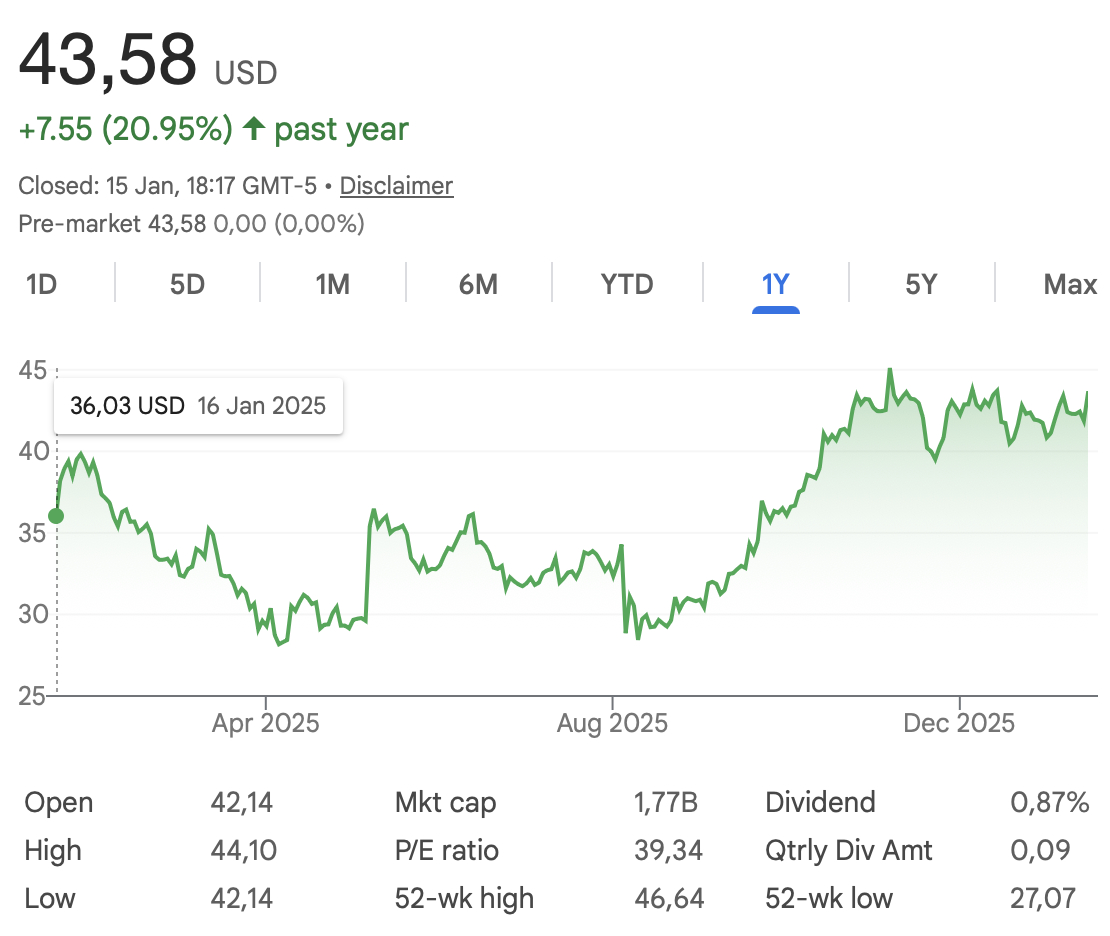
Cadre Holdings (NYSE: CDRE)
2025 performance: +20.95 percent
Cadre Holdings posted a solid year, reflecting continued law-enforcement procurement and demand for body armor and public safety equipment across domestic and international markets.
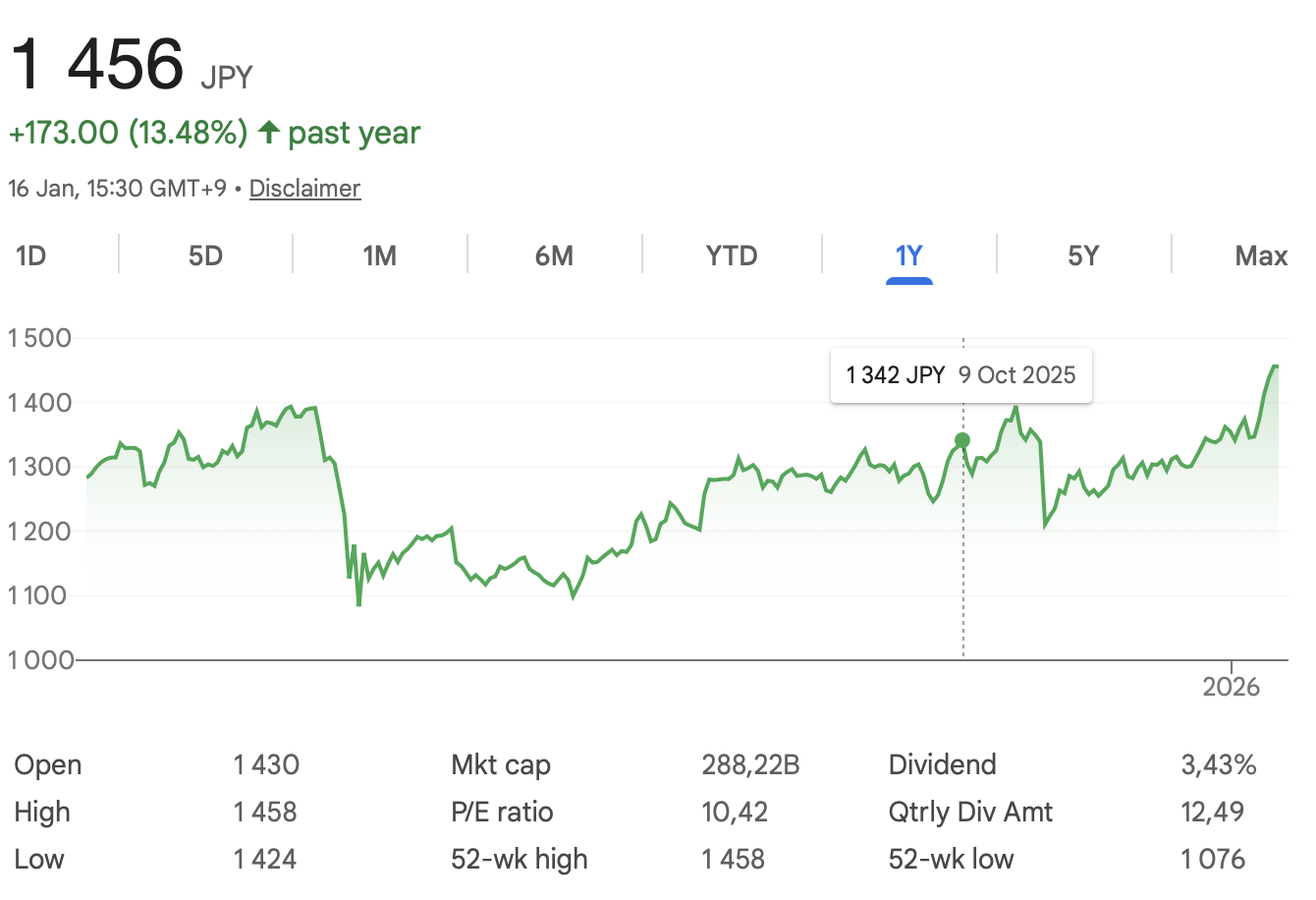
Teijin Limited (TYO: 3401)
2025 performance: +13.48 percent
Teijin returned to positive territory following prior years of volatility. Twaron® and Endumax® aramid fibers remained integral to global ballistic supply chains, while restructuring efforts contributed to operational stabilization.
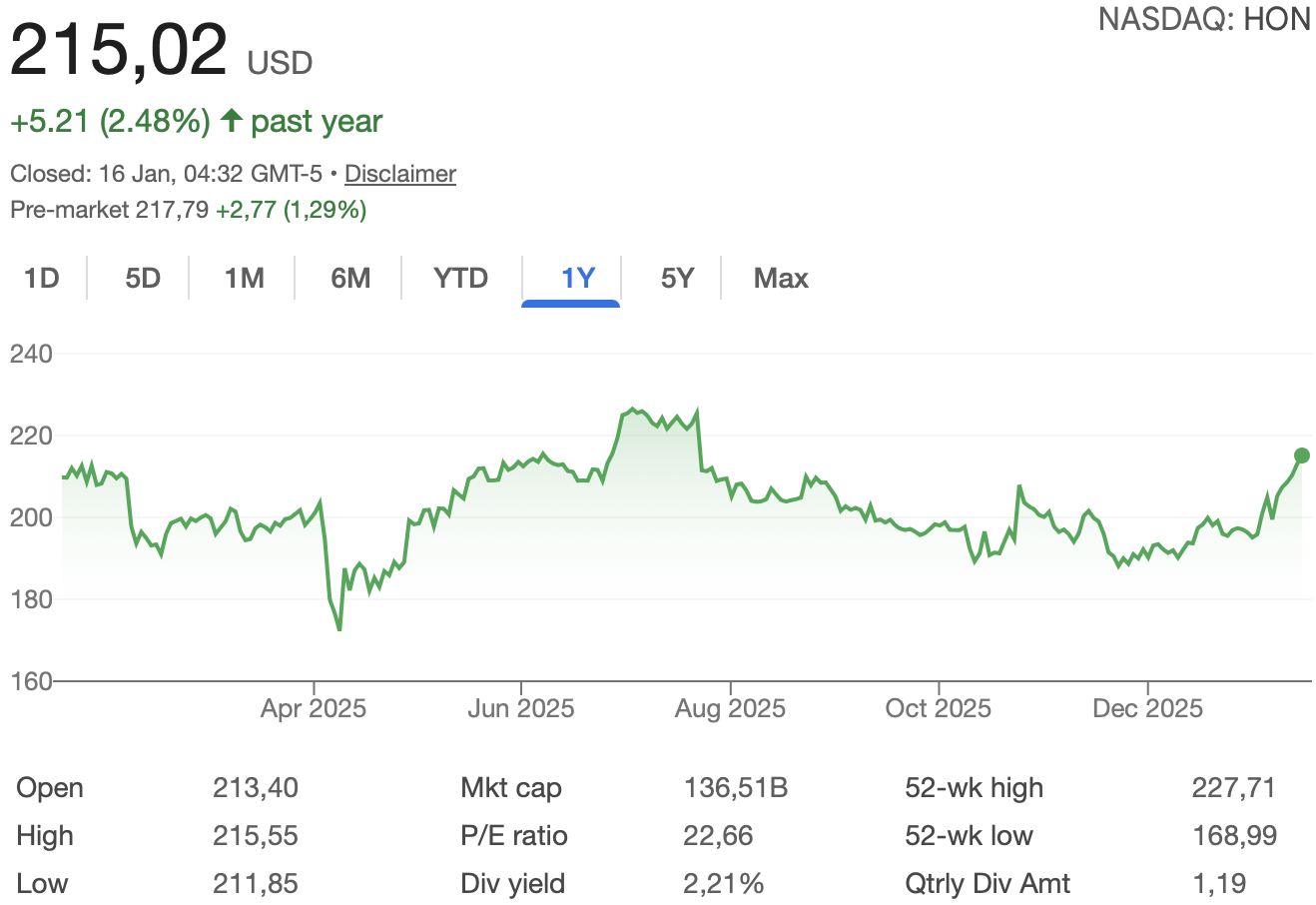
Honeywell International (NASDAQ: HON)
2025 performance: +2.48 percent
Honeywell recorded a modest increase. Ballistic materials such as Spectra Shield®, Gold Shield®, and Gold Flex® remain strategically relevant, though broader industrial exposure influenced overall performance.
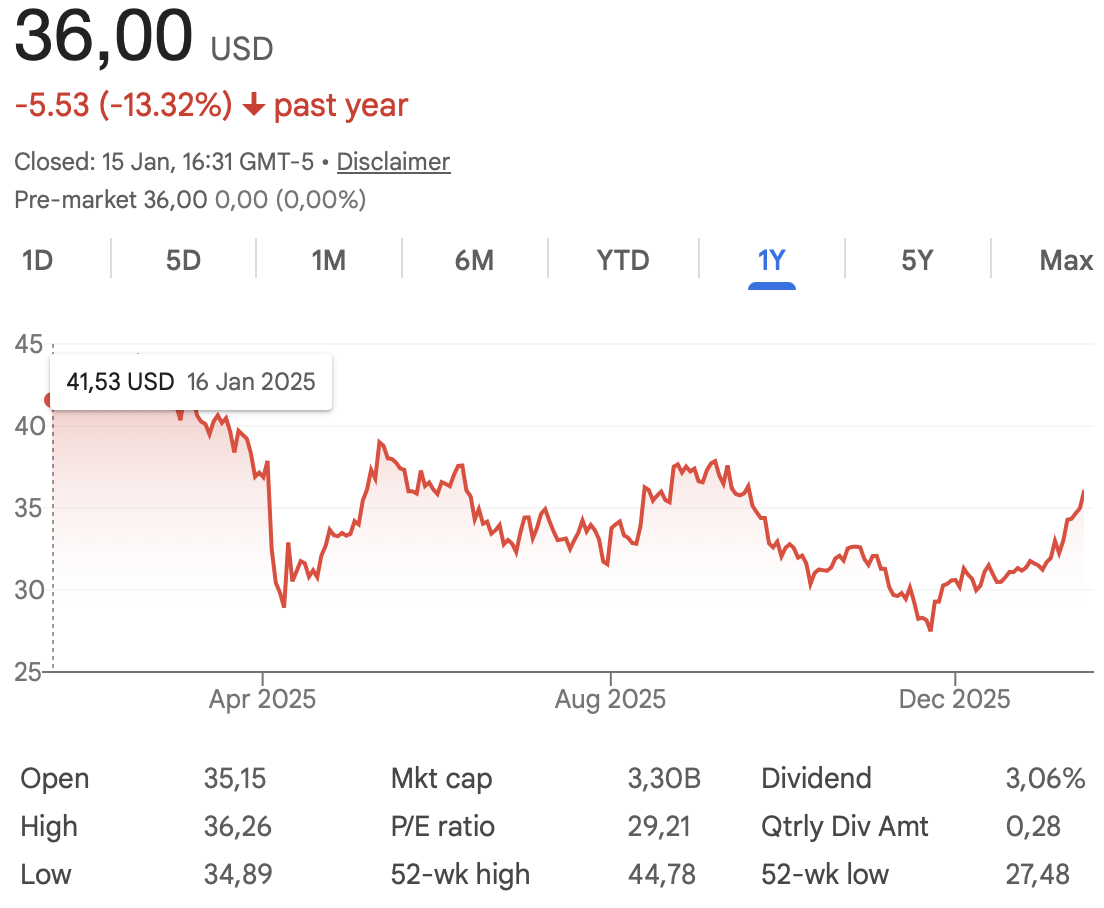
Avient Corporation (NYSE: AVNT)
2025 performance: −13.32 percent
Avient ended 2025 lower despite Dyneema® continuing to play a key role in lightweight armor systems. Broader industrial market pressures and valuation adjustments influenced the stock’s performance.
Ranked Performance Table (2025, Historical)
| Rank | Company | Market | 2025 Performance |
|---|---|---|---|
| 1 | Hyosung Corporation | South Korea | +214.01% |
| 2 | Rheinmetall AG | Germany | +182.18% |
| 3 | BAE Systems | United Kingdom | +71.22% |
| 4 | DuPont de Nemours | United States | +35.34% |
| 5 | Cadre Holdings | United States | +20.95% |
| 6 | Teijin Limited | Japan | +13.48% |
| 7 | Honeywell International | United States | +2.48% |
| 8 | Avient Corporation | United States | −13.32% |
Industry Outlook for 2026
Looking ahead, several structural trends are expected to continue shaping the body armor industry:
Defense Spending and Procurement
European and NATO defense budgets remain elevated, with long-term programs extending into the late 2020s. This supports ongoing demand for armored vehicles, ammunition, and personal protective equipment.
Ballistic Materials Innovation
Aramid fibers, UHMWPE, ceramics, and hybrid composite systems remain central to next-generation armor design. Suppliers with scalable production capacity are likely to remain strategically important.
Law Enforcement Modernization
Police and internal security forces continue upgrading protective equipment, particularly in regions facing increased urban security challenges.
Key Risks and Uncertainties
Despite strong structural demand, the sector faces several uncertainties:
Procurement timing and budget cycles
Geopolitical de-escalation or policy shifts
Raw material and energy cost volatility
Regulatory and export control constraints
Valuation sensitivity following strong multi-year gains
Final Notes
The body armor industry has evolved into a strategically significant segment spanning defense, law enforcement, and advanced materials. The 2025 performance data highlights how closely company outcomes are tied to their position within this ecosystem.
As always, BodyArmorNews.com will continue to cover the technology, materials, and industry dynamics shaping the future of personal protection, without providing investment or financial advice.